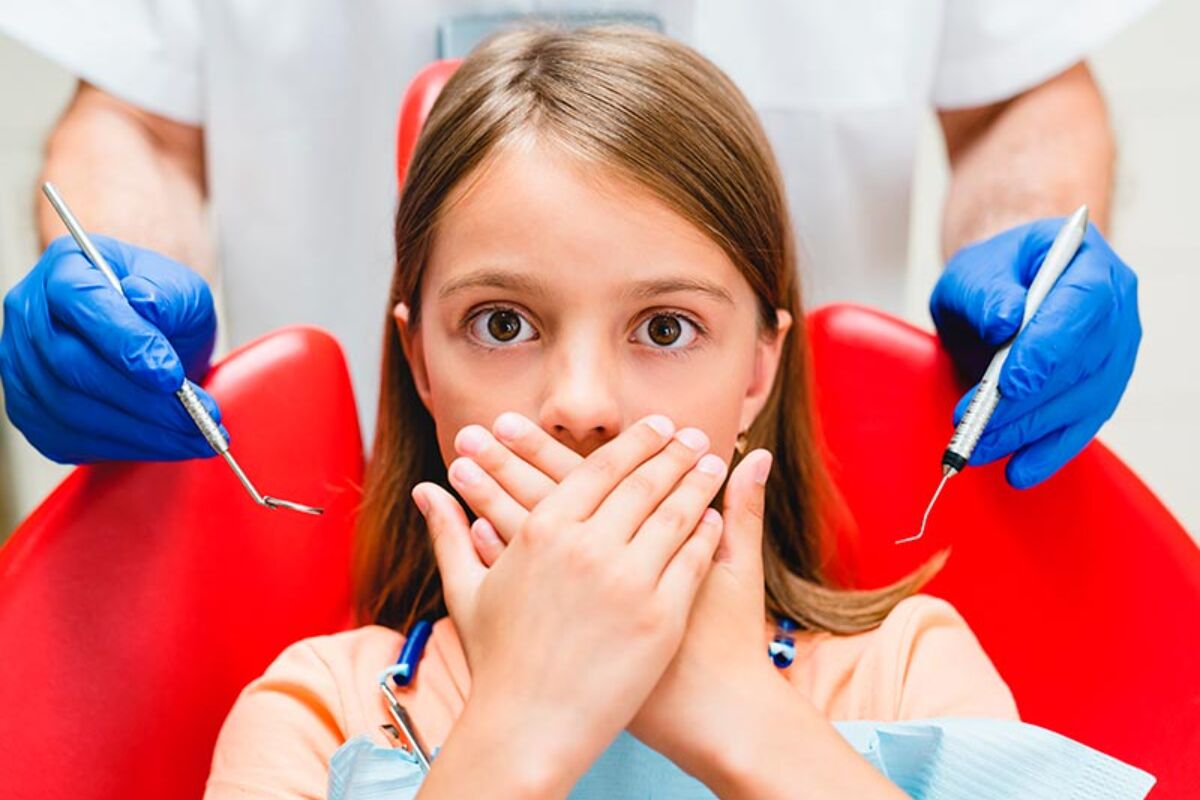
It is very common for children to feel nervous about visiting the dentist. New sounds, unfamiliar tools, and the requirement to sit still can be overwhelming for a little one.
However, establishing a positive relationship with oral healthcare early on is essential for a lifetime of healthy smiles. When looking for children’s dentistry in Carrollwood, the goal is to find an environment that prioritizes comfort and patience.
By taking small, intentional steps at home and choosing the right professional team, you can transform a scary experience into a routine part of growing up.
Start Dental Visits at an Early Age
One of the most effective ways to prevent nervousness is to start visits before a problem even exists. Most experts recommend the first visit by age 1 or when the first tooth appears.
This allows the child to get used to the dentist in Carrollwood in a low-stress setting. These early “happy visits” are usually quick and involve a simple peek at the teeth while the child sits on a parent’s lap.
When a child grows up knowing the dental office is a safe place, they are much less likely to develop deep-seated fears later on.
Use Positive and Simple Language
How you talk about the appointment matters. Avoid using “scary” words like shot, needle, drill, or pain.
Instead, use kid-friendly terms that explain what will happen without the baggage of fear. This is a key part of how to reduce dental anxiety in children.
- The “Tooth Camera”: Describe X-ray machines as cameras that take pictures of their “tooth bugs.”
- The “Tooth Tickler”: Consider the electric cleaning brush a tickling tool that makes teeth shine.
- The “Counting Game”: Explain that the dentist wants to count how many teeth have grown in.
Read Books and Roleplay at Home
Preparation is a great way to handle a child who is afraid of the dentist. Children often fear the unknown, so showing them precisely what to expect can be very empowering.
There are many wonderful picture books featuring popular characters visiting the dentist that can help normalize the experience.
You can also play “dentist” at home using a toothbrush and a flashlight. Have your child open wide so you can “count” their teeth, and then let them do the same to a stuffed animal or doll.
This roleplay helps them feel like they have some control and understanding of the process.
Understanding Professional Support Options
Sometimes, despite your best efforts at home, a child still needs a little extra help to feel calm. Modern clinics utilize various pediatric dental fear management techniques to ensure a smooth visit.
This can range from the office design to specialized communication styles used by the staff.
Common Comfort Strategies in Pediatric Care
| Strategy | How it Works | Best For |
| Tell-Show-Do | Explaining a tool, showing it on a hand, then using it. | Curious or mildly nervous children. |
| Distraction | Using ceiling-mounted TVs or fun stories. | Children who get bored or fidgety. |
| Positive Reinforcement | Giving stickers or small prizes for “brave” behavior. | Motivating kids to follow instructions. |
| Nitrous Oxide | A safe, “giggle gas” that helps a child relax. | High anxiety or longer procedures. |
The Importance of Choosing the Right Clinic
The physical environment plays a huge role in helping nervous kids at the dentist. A clinic designed for families will often have bright colors, toys in the waiting room, and a staff that is specially trained to handle tears or tantrums with a smile.
When you search for a dentist near you, look for reviews that mention the team’s bedside manner with kids.
A gentle, patient approach can make the difference between a child who leaves crying and one who leaves feeling proud of their “bravery sticker.”
Stay Calm and Lead by Example
Children are like sponges; they absorb their parents’ emotions easily. If you are nervous about your own dental visits, try not to share those feelings with your child.
Stay calm, keep a smile on your face, and treat the appointment like a routine, dull errand, similar to going to the grocery store. Your calm demeanor tells them that there is nothing to worry about.
During the appointment, follow the dental team’s lead. Sometimes, helping nervous kids at the dentist involves the parent sitting close by, while other times, the child might do better if the dentist can build a one-on-one bond with them. Trusting the professionals allows the child to see the dentist as a friend.
Schedule a Positive Experience Today
Building trust today helps protect your child from a future dental problem. We want every child to feel comfortable and heard during their visit. With proper care and clear communication, we help kids feel confident about their oral health.
At Playa Family Dentistry, we work with families to create a positive environment where children feel comfortable during checkups. Don’t let fear keep your child from getting the care they need.
Call us today to schedule a dental exam for your little one.
FAQs
Can I bring a comfort item?
Yes! Bringing a favorite stuffed animal or a “bravery blanket” can provide a sense of security during the exam.
What if my child starts crying during the cleaning?
This is completely normal and something the staff deals with every day; staying calm helps the child settle down faster.
Should I reward my child for a good visit?
Small rewards like stickers or a trip to the park are great, but avoid promising sugary treats as a reward for a dental visit.
At what age do kids grow out of dental fear?
Every child is different, but most become much more confident between the ages of 5 and 7 as they better understand the routine.